

IFOHS hosts 2025 Intensive Lecture Series on the Science of the Mind
2026.03.23
From December 17 to 19, the Institute for the Future of Human Society held the annual Intensive Lecture Sessions on the Science of the Mind, under the theme “Culture in Mind, Logic, and Law”.
The Intensive Lecture Sessions on the Science of the Mind are unique events in which leading researchers present and discuss research related to the mind with students over the course of three days. In this year’s event, Shinobu Kitayama (University of Michigan), Masako Watanabe (Nagoya University), and Tatsuhiko Inatani (Kyoto University) explored the relationship between the human mind and society from the perspectives of “Culture”, “Logic”, and “Law”. The lectures and lively discussions covered cutting edge research and diverse topics such as the formation of culture and cognition, cultural differences in logic and rationality, and divergent values in legal systems and AI regulation, and allowed participants to gain deeper insights into the interrelationships between the mind, society, and institutions. The event was attended by students, researchers, as well as participants from industry, and this diversity of participants and perspectives further enriched the event and discussions.
◆Day 1
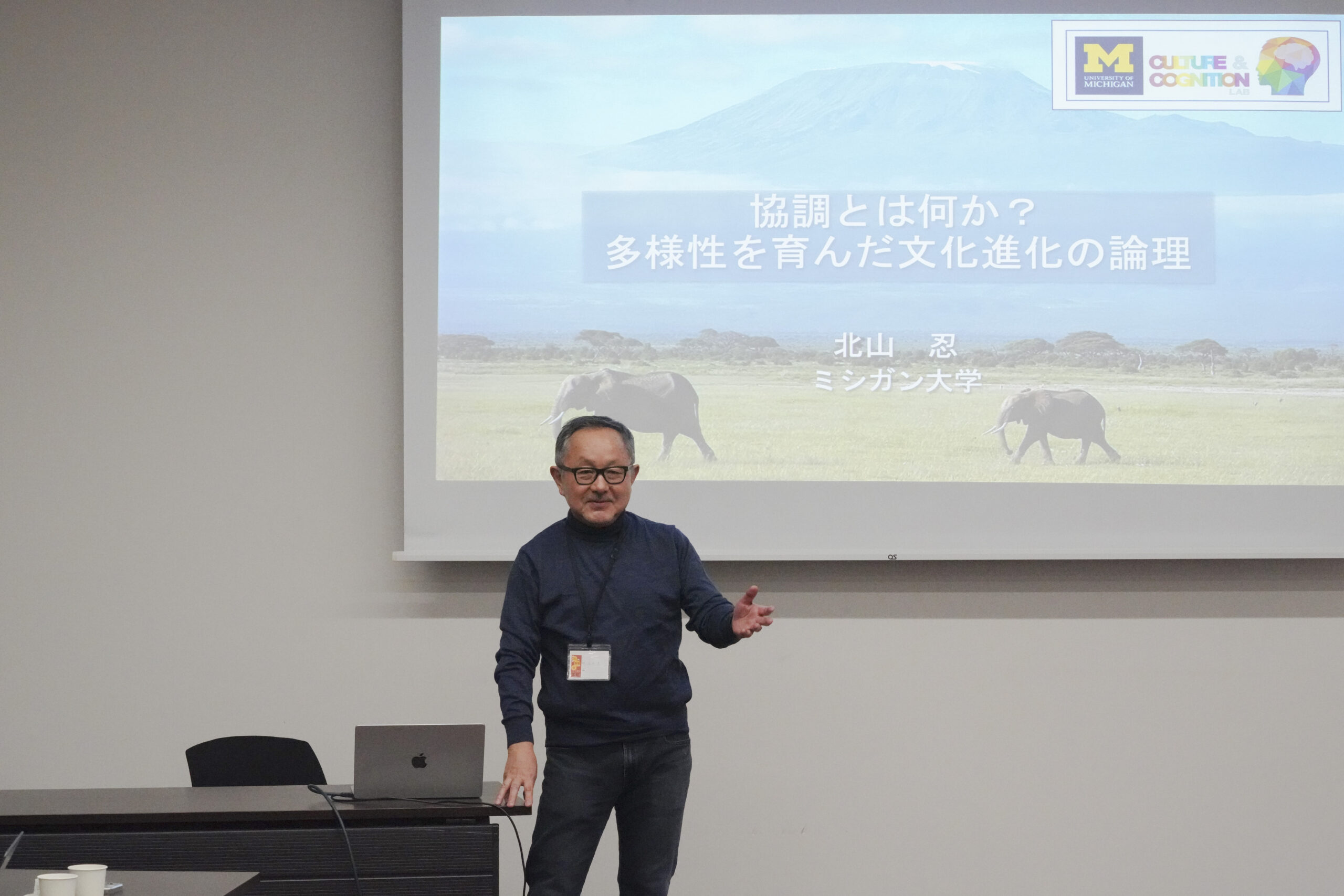
On the first day of the event, Professor Kitayama presented current insights from research on “Culture and Cognition”. In the morning session, Professor Kitayama especially focused on the concept of “mutal cooperativeness”. Diverse cultural contexts around the world, such as East Asia, the Middle East, Latin America, South Asia, and Sub-Saharan Africa, all exhibit certain types of mutual cooperativeness distinct from modern Western culture, yet the actual characteristics of mutual cooperativeness vary significantly from region to region. Professor Kitayama then introduced the “Biphasic Recursive Loop Model” as a potential conceptual framework to how these cultural differences may be generated. From an evolutionary psychology perspective, groups that are better adapted to hostile outgroups are more likely to survive, developing unique psychological traits that are suited to their ecological environment. In turn, the probability of survival increases as group members’ orientations align with these adaptive traits, allowing for coevolution with hostile groups to develop and progress.
In the afternoon session, Prof. Kitayama provided a deeper explanation of the two-phase recursive loop model. In particular, the model shows that groups adapt by cycling between “crisis states” prioritizing defense or attack, and “normal states” prioritizing mechanisms to exclude free riders through reciprocal cooperation. The interplay between these processes forms and solidifies the psychological characteristics within the context of subjective satisfaction and group-level success. Furthermore, while cooperation has been valued in many cultures, Western societies may have undergone a unique transformative process around the time of modernization, shifting these cultures towards emphasizing greater independence.
◆Day 2
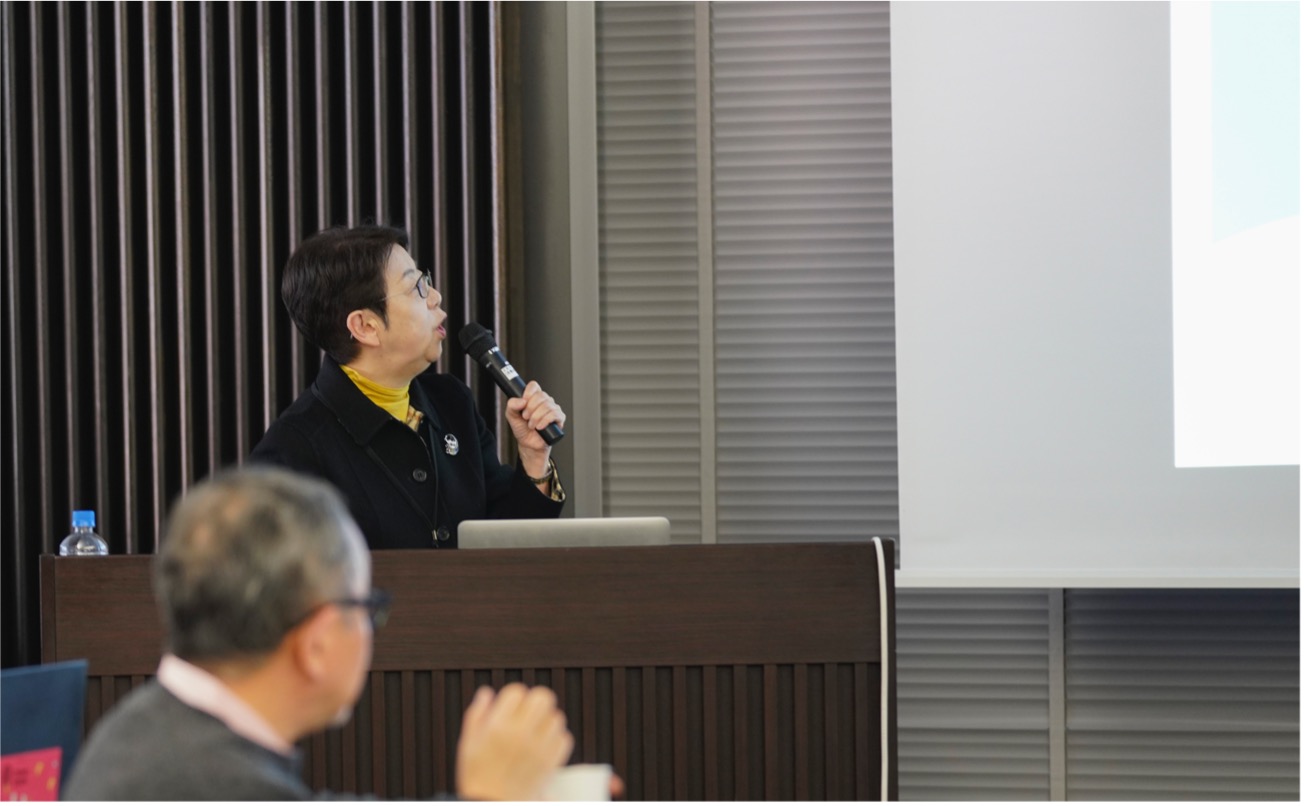
On the second day, Professor Watanabe continued the event with a lecture titled ”Cultural difference of logic and rationality: International comparison of composition education and Thinking Methods”.
In the morning session, Prof. Watanabe’s introduced the idea that “logical reasoning” is not about formal logical consistency but rather a matter of rhetoric, and that different cultures may value different logical forms. This was illustrated with a composition experiment using four-panel comics, which showed that Japan tends to emphasize chronological structures, while the United States favors conclusion-first structures. Furthermore, in line with Kaplan’s concept of logical reasoning, distinct logical patterns are formed from childhood in Japan and the US. Prof. Watanabe further touched upon the importance of these findings for the curricula in school education. In particular, the “hidden curriculum” refers to those values and patterns of thinking that are implicitly conveyed through teaching methods and assessment practices, reflecting a process in which societal rationality is shaped through education.
In the afternoon session, the focus shifted towards the idea that logic and rationality are formed from practical needs of the community, representing Durkheim’s sociology of knowledge. These “forms” are mechanisms that transform knowledge into ability, and learning becomes difficult without adapting to the forms of each culture. A comparison of essay structures in the United States, France, Iran, and Japan concretely illustrated the differences in the human ideals and values each of these societies seeks to cultivate. Finally, an examination of debate formats and their role in history education showed that culturally specific rationality is formed throughout the entire educational lifecycle.
◆Day 3
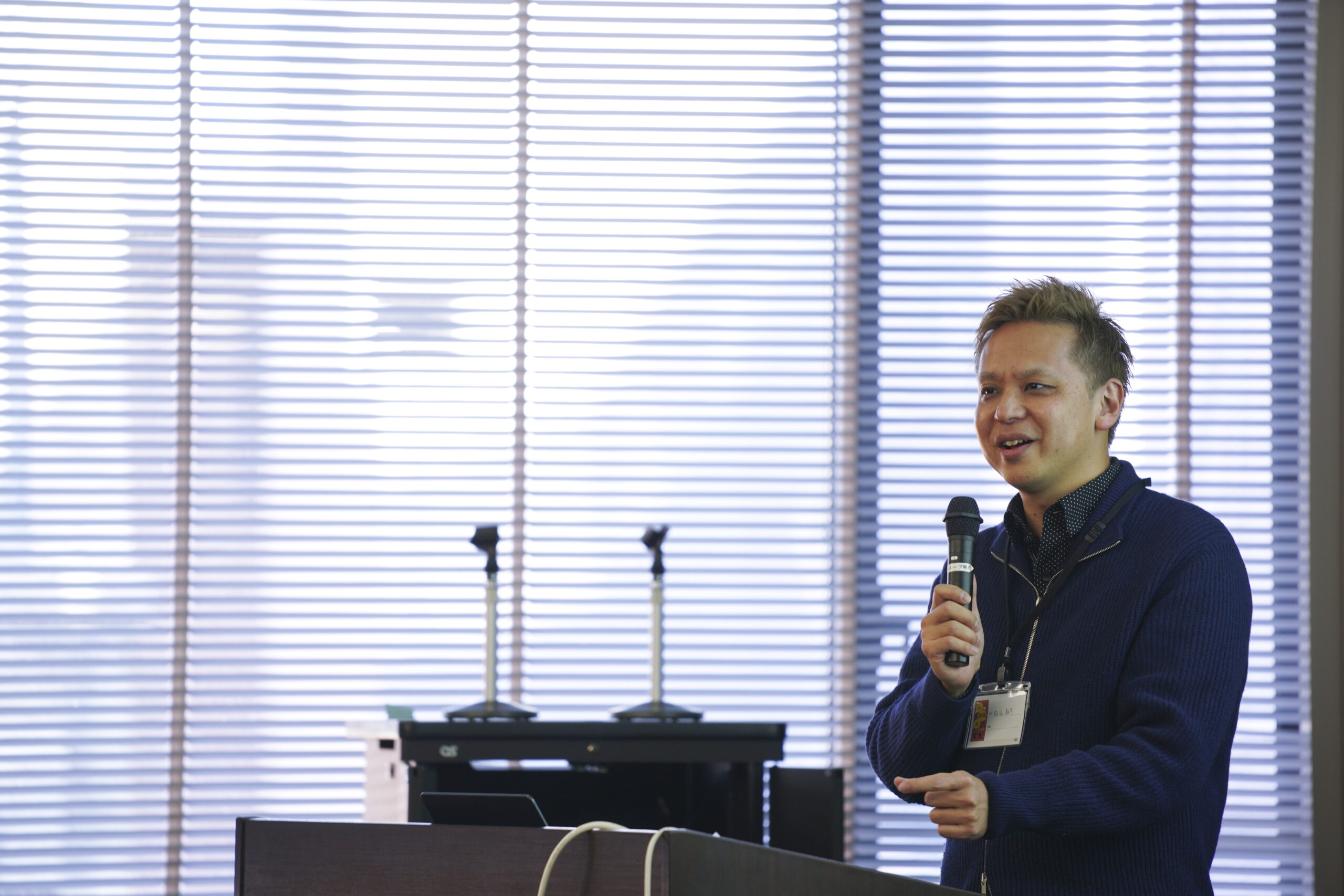
On the third and final day, Professor Inatani closed the event with a lecture on “Cultural difference of AI regulation and mind mechanism that makes difference: Toward the realization of laws that enable mutual respect”. In the morning session, the lecture started from the question: “What is the law doing?”. Prof. Inatani explained that law is not only for judging conflict but also for adjusting human activities and expectations to support cooperation of society. Similar to this adjustment function, he introduced the concept of “collective active reasoning”, the process where individuals update their understanding and judgements through interaction with their environment. This is culturally relevant: While modern Western law has been constructed on the premises of the “autonomous individual” and “contract”, Japanese law often showed different characteristics, such as abstract provisions, and emphasis on relationships, and supplementation through social evaluation.
In the afternoon session, the lecture continued discussing how the spread of AI and robots may affect conventional theories of responsibility and mechanisms of regulation: The uncertainty of machine learning systems makes it difficult to determine the causes of accidents and defects, assign responsibility in the conventional manner. Starting from differences in perspectives on governance between different nations, Professor Inatani then introduced the concept of “Agile Governance” in Japan, an approach emphasizing the importance of evaluation and improvement. Finally, at the end of lecture, he proposed a novel legal system that continually renews consensus beyond cultural differences, grounded in the ideas of “Incompletely Theoretical Agreement” and “Generative Jurisprudence”.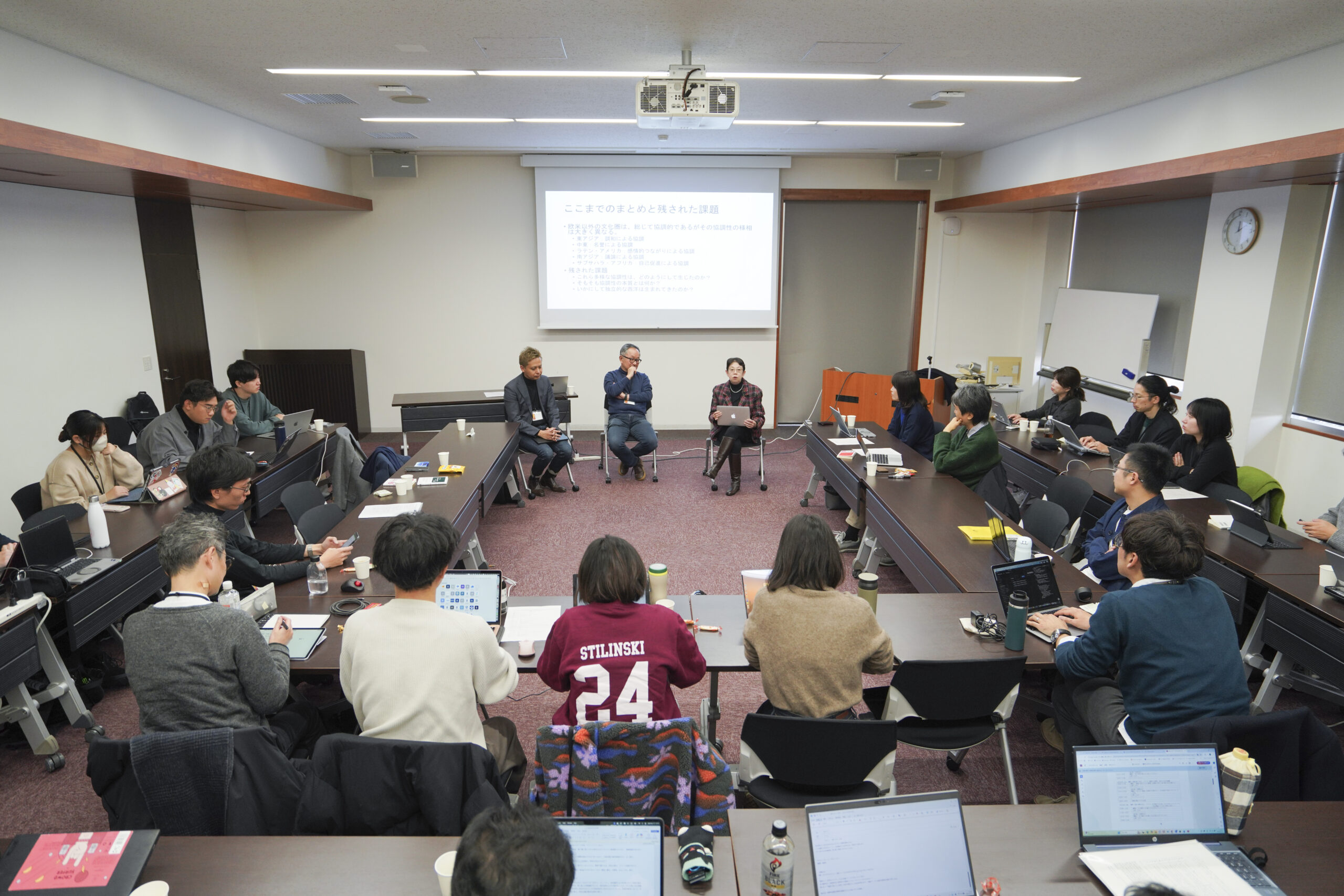
「Scene from the lecture」
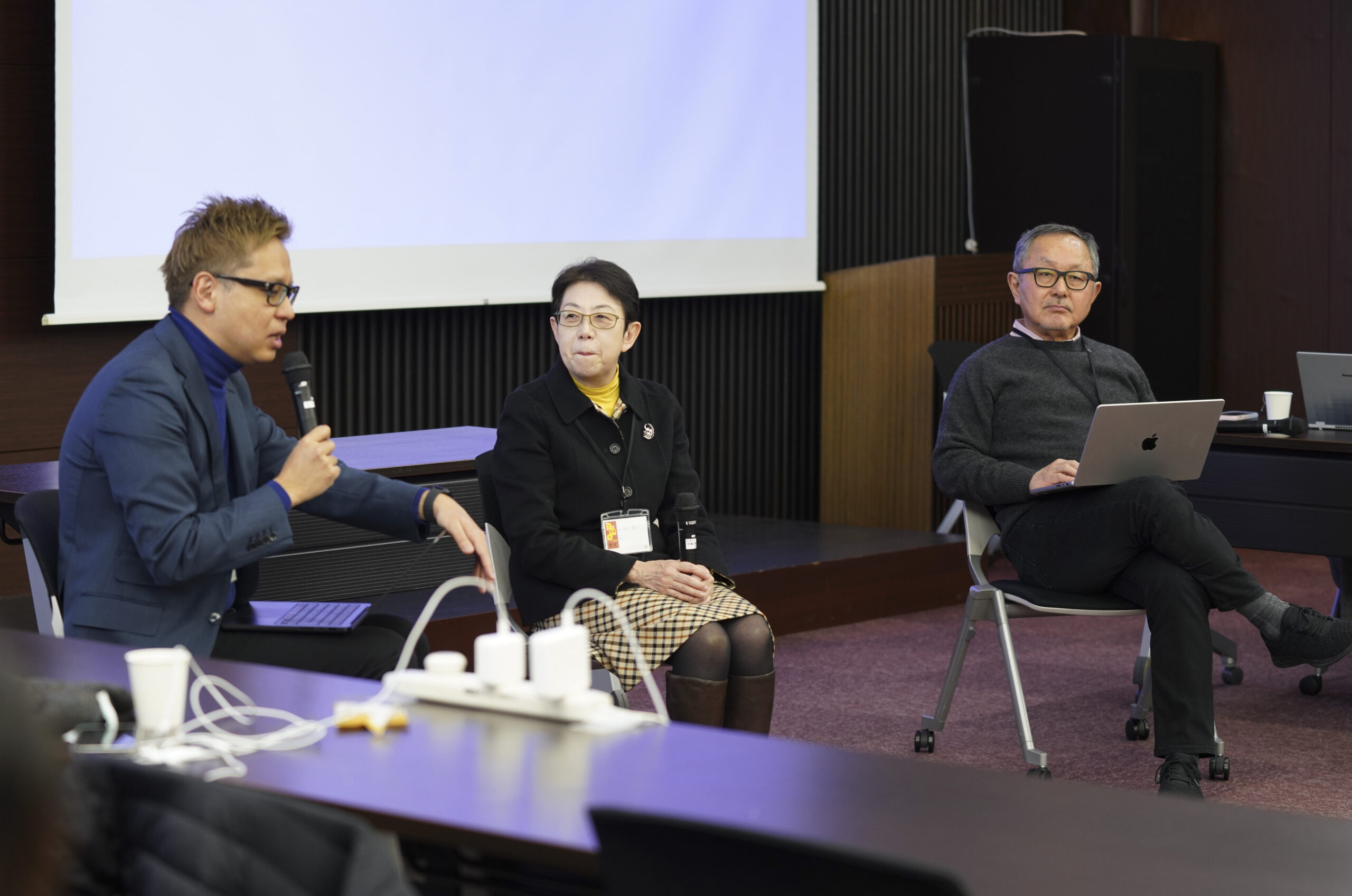
「Scene from the discussion」
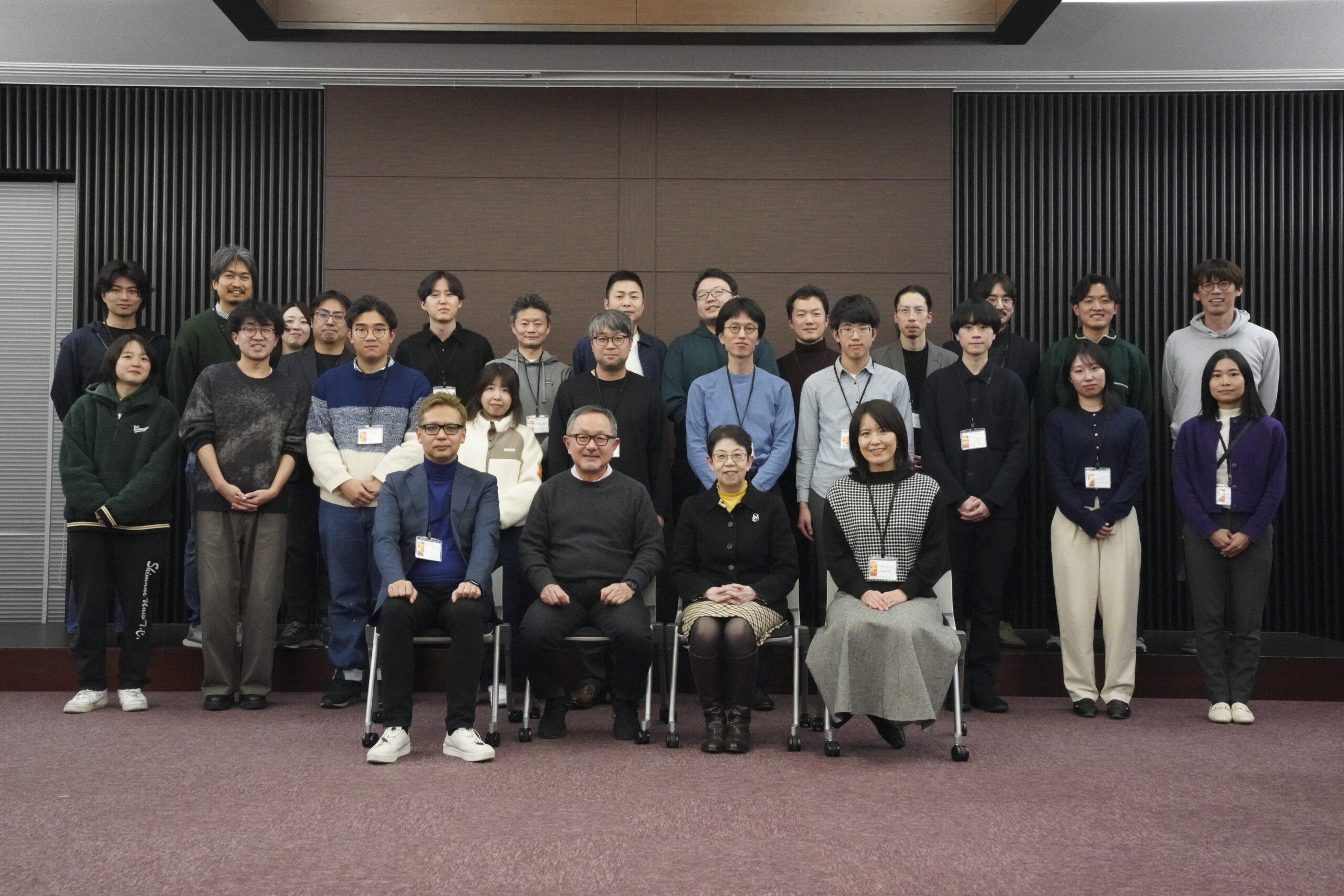
「Group photo」